Dental Implant Costs Without Insurance

Understanding the Cost of Dental Implants in Cornelius, NC
If you have been researching dental implants, you have probably noticed something frustrating: the prices you find online can vary dramatically.
One website may mention a few thousand dollars, while another quotes considerably more. The reason is that a dental implant is not simply one procedure with one universal price. The total cost depends on the tooth being replaced, the condition of your oral health, the materials used, and whether additional procedures are needed before the implant can be placed.
As a general range, a single dental implant in NC may cost approximately $3,000 to $6,000 when the major phases of treatment are included, however, your actual investment can be lower or higher depending on your individual treatment plan.
At White and Haines Advanced Dentistry, we believe the more useful question is not simply, "how much does an implant cost?", but rather, "what does my treatment involve, and what am I investing in?". Continue reading to find the answers.
Key Takeaways
- Dental implant costs vary from person to person: The final cost depends on the tooth being replaced, the condition of your mouth, the type of restoration, and any additional procedures you may need.
- A complete implant involves more than the implant itself: Treatment may include diagnostic imaging, the implant fixture, abutment, crown, surgical placement, and follow-up care.
- Dental implants can provide long-term tooth replacement: An implant replaces the root portion of a missing tooth and can support a restoration designed to look and function much like a natural tooth.
- Additional procedures can affect the investment: Bone grafting or other preparatory treatment may be recommended when there is not enough bone available to provide an appropriate foundation for an implant.
- Membership plans and financing may make treatment more manageable: If you do not have dental insurance or your coverage is limited, practice-based savings and financing options may help you plan for treatment without paying the entire cost at once.
Why Dental Implant Costs Vary

It is easy to compare two implant quotes and assume you are looking at the same treatment. In reality, the two estimates may include very different things.
A dental implant restoration generally has three primary components: the implant fixture that is placed into the jawbone, the abutment that connects the implant to the restoration, and the crown that replaces the visible portion of the missing tooth.
There are also other parts of the treatment process that may be included in one quote and listed separately in another. These can include:
- The initial consultation and treatment planning
- Diagnostic imaging, including 3D imaging when appropriate
- Implant placement
- Follow-up appointments during healing
- The abutment
- The final crown
- Temporary restoration, when needed
- Bone grafting or other preparatory procedures
This is why two implant estimates can look very different without necessarily representing two completely different levels of care.
When comparing treatment plans, ask what is included in the total rather than focusing only on the number at the bottom of the estimate.
What Are You Actually Investing In?
A dental implant is a significant dental treatment, but the value of the treatment goes beyond the implant itself.
When a tooth is missing, the effects can extend beyond the appearance of your smile. Missing teeth can affect chewing and function, and the bone surrounding a missing tooth can gradually change after tooth loss. Replacing the tooth can help restore function while providing a stable foundation for a replacement tooth.
An implant is designed to integrate with the jawbone through a process called osseointegration. Once healing is complete, the implant can support an abutment and crown, creating a fixed replacement rather than a removable restoration.
That does not mean an implant is the right choice for every person or every missing tooth. Bridges and dentures remain appropriate treatment options in many situations. The goal of an implant consultation is to determine which approach makes sense based on your oral health, the location of the missing tooth, your goals, and your long-term needs.
When Additional Treatment Is Needed
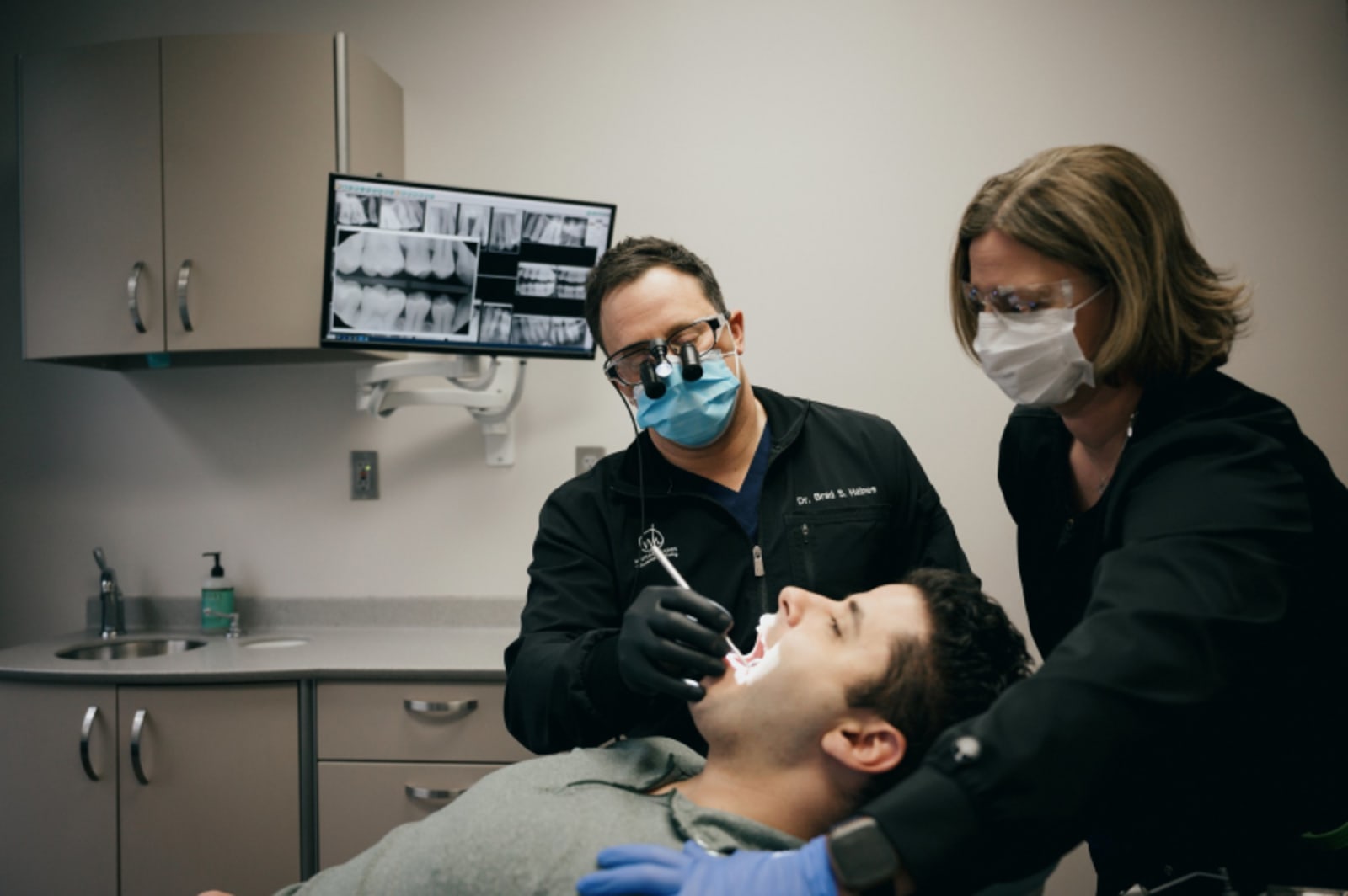
One of the biggest factors affecting the cost of implant treatment is whether your mouth is ready for implant placement.
After a tooth is lost or extracted, the bone that previously supported the tooth can gradually resorb. If there is not enough bone volume or density to provide an appropriate foundation, bone grafting may be recommended before or as part of implant treatment.
For some people, the upper back teeth also require special consideration because of the position of the maxillary sinus. When there is insufficient bone in this area, a sinus augmentation may be recommended to create an appropriate foundation for an implant.
These procedures can add to the overall investment and may also add healing time to the treatment process. That is one reason we do not believe a generic online price can tell you what your implant treatment will cost. A thorough evaluation gives us the information we need to understand the condition of the area and create a treatment plan around your specific needs.
Why Replacing a Missing Tooth Can Be Worth the Investment
It is reasonable to consider the cost of an implant carefully. Dental treatment is an investment, and you should understand what you are paying for before moving forward.
At the same time, it can be helpful to consider the value of replacing a missing tooth over the long term. A well-planned implant can provide a stable foundation for a replacement tooth without requiring the neighboring teeth to be prepared as they would be for a traditional fixed bridge. Implants can also help provide stability for replacement teeth because the implant itself integrates with the jawbone.
For someone who has been living with a missing tooth, that may mean being able to chew more comfortably, speak normally, and feel more confident about a complete smile.
The right question is not whether implants are inexpensive, because we understand they are not. The more useful question is whether the benefits of replacing the missing tooth justify the investment for your particular situation, and that is a decision we can help you understand, but it should ultimately be based on your needs, priorities, and treatment options.
How a Dental Membership Plan Can Help

Dental insurance does not always work the way people expect when it comes to major restorative treatment. Depending on the plan, there may be annual maximums, waiting periods, exclusions, or other limitations that affect how much of an implant treatment is covered.
For people who do not have traditional dental insurance, an in-house dental membership plan may provide another way to reduce some routine and restorative dental expenses.
At White and Haines Advanced Dentistry, our membership options are designed to provide predictable savings for eligible dental services. Depending on the plan, members may receive preventive care along with discounts on other treatment.
A membership plan is not the same thing as dental insurance, and it does not necessarily cover the entire cost of an implant. Its value is in providing another option for people who are self-pay or do not have adequate dental coverage.
If you are considering an implant, we can explain how the membership plan applies to your treatment so you know what to expect before moving forward.
Financing Can Make Treatment More Manageable
Even when you understand the value of replacing a missing tooth, paying the entire cost at once may not fit comfortably into your budget. That is where financing can become part of the conversation.
Depending on your eligibility and the financing provider's current terms, third-party dental financing may allow you to spread the cost of treatment across monthly payments rather than paying the entire amount upfront. Promotional terms, interest rates, and approval requirements vary, so those details should be reviewed carefully before choosing a financing option.
For many people, the question becomes less about whether they can manage the entire treatment cost today and more about whether there is a payment structure that fits their budget.
We are happy to discuss those options with you before treatment begins. Understanding the financial side of your care is part of understanding the treatment plan itself.
What to Ask Before Accepting an Implant Estimate
A lower number is not necessarily a better value if important parts of treatment are excluded. Likewise, a higher estimate may include procedures or services that another office lists separately.
Before comparing implant quotes, ask:
- Does the estimate include the implant, abutment, and crown?
- Is diagnostic imaging included?
- Are the surgical placement and follow-up visits included?
- Will I need a temporary restoration?
- How does the type of sedation I will need affect the total?
- Is bone grafting included if it becomes necessary?
- Are there additional procedures that may affect the total?
- What payment or financing options are available?
- If I have dental insurance or a membership plan, how does it apply?
These questions can turn a confusing price comparison into a much more useful conversation about what your treatment actually involves.
Planning Your Dental Implant Treatment
There is no single price that accurately represents every dental implant case. A single implant may fall within the $3,000 to $6,000 range when major phases of treatment are included, but your individual treatment plan could differ based on your needs.
What matters most is understanding what is included in your estimate, why each part of treatment has been recommended, and what options are available for managing the investment.
At White and Haines Advanced Dentistry, Dr. White, Dr. Rodrigues and Dr. Haines take the time to evaluate your oral health, explain your treatment options, and provide a clear picture of what your implant care may involve. We can also discuss available membership and financing options so you can make an informed decision about how to move forward.
If you are considering replacing a missing tooth, call our Cornelius office at (704) 896-9535 to schedule a consultation. We can start with your specific situation and help you understand what implant treatment would look like for you.
Connect With Us!
We look forward to meeting you.
Call 704-896-9535 or request an appointment online to set up your first visit. We’ll be in touch soon.
