Returning to the Dentist After Years: A Full Guide

Coming Back to the Dentist After a Long Gap
If it has been a few years since your last dental visit, you may have questions about what to expect when you return. Maybe your routine was interrupted by a move, a career change, family responsibilities, cost, a difficult dental experience, or simply the way life has a habit of getting busy.
Whatever caused the gap, you do not need to have everything figured out before scheduling an appointment. A first visit after several years is an opportunity to understand where your oral health stands now, discuss any concerns, and determine what care may be appropriate.
At White and Haines Advanced Dentistry, we believe those conversations should be clear and respectful. Our goal is to understand where you are starting from, explain what we find, and give you the information you need to decide what comes next.
If you have been putting off your next dental visit, call us at (704) 896-9535 or request an appointment.
Key Takeaways
- A long gap does not mean you are too far behind: Dental concerns can develop at different rates, and an evaluation can give you a clear picture of where things stand now.
- There are many reasons people delay dental care: Anxiety, cost, life changes, previous experiences, and simply losing the habit can all contribute to a gap.
- Your first visit is about understanding your current oral health: We generally begin with your health history, diagnostic imaging, and a clinical examination before discussing treatment.
- You do not need to apologize for the time away: A dental appointment should focus on your current oral health and what can be done from here.
- Treatment does not necessarily happen all at once: Depending on what we find, care can often be prioritized and planned in stages.
- You can ask questions before committing to treatment: Understanding your options, timeline, and expected costs can help you make informed decisions.
Why Do People Stop Going to the Dentist?
For most people, a long gap in dental care is not the result of one deliberate decision. It can happen gradually. An appointment gets postponed, then life gets busy, and eventually several years have passed.
There are also more specific reasons people avoid returning to the dentist.
Dental Anxiety or Fear of Pain
Some people associate dental care with discomfort or have had a difficult experience in the past. Even anticipating a dental appointment can create enough anxiety to make scheduling one feel overwhelming.
Previous experiences can influence how someone approaches dental care years later. Feeling rushed, experiencing unexpected discomfort, or feeling that concerns were not taken seriously can all make it harder to return.
If anxiety is part of your hesitation, it is worth mentioning that when you contact the practice. Knowing what concerns you have can help the dental team understand how to approach your care.
Worry About Being Judged
Another common concern is feeling embarrassed about the condition of your teeth after several years away. You may already know that some things need attention, and the thought of having someone point them out can make the appointment feel even more intimidating. But the purpose of an examination is to understand your oral health, not to evaluate your choices. A dentist should be able to explain clinical findings clearly without making you feel ashamed for needing care.
Cost Concerns
Dental care can also be difficult to budget for when you do not know what you may need. If you have been away for several years, you may worry that returning will automatically lead to an extensive treatment plan. In reality, the only way to know what your current needs are is to have them evaluated.
If cost is a concern, ask about treatment priorities, expected costs, insurance benefits, and available payment or financing options. Understanding the financial side of care can help you decide how to approach treatment.
Changes in Your Life
Dental routines can easily be disrupted by major life changes. Moving to a new area, changing jobs, having children, caring for family members, or going through a particularly demanding period can all push routine appointments down the list. Once the routine is interrupted, getting back into it can take more effort than expected. A long gap does not necessarily tell us anything about how much you value your health. It simply tells us that your routine changed.
What Happens at Your First Dental Appointment After Years Away?
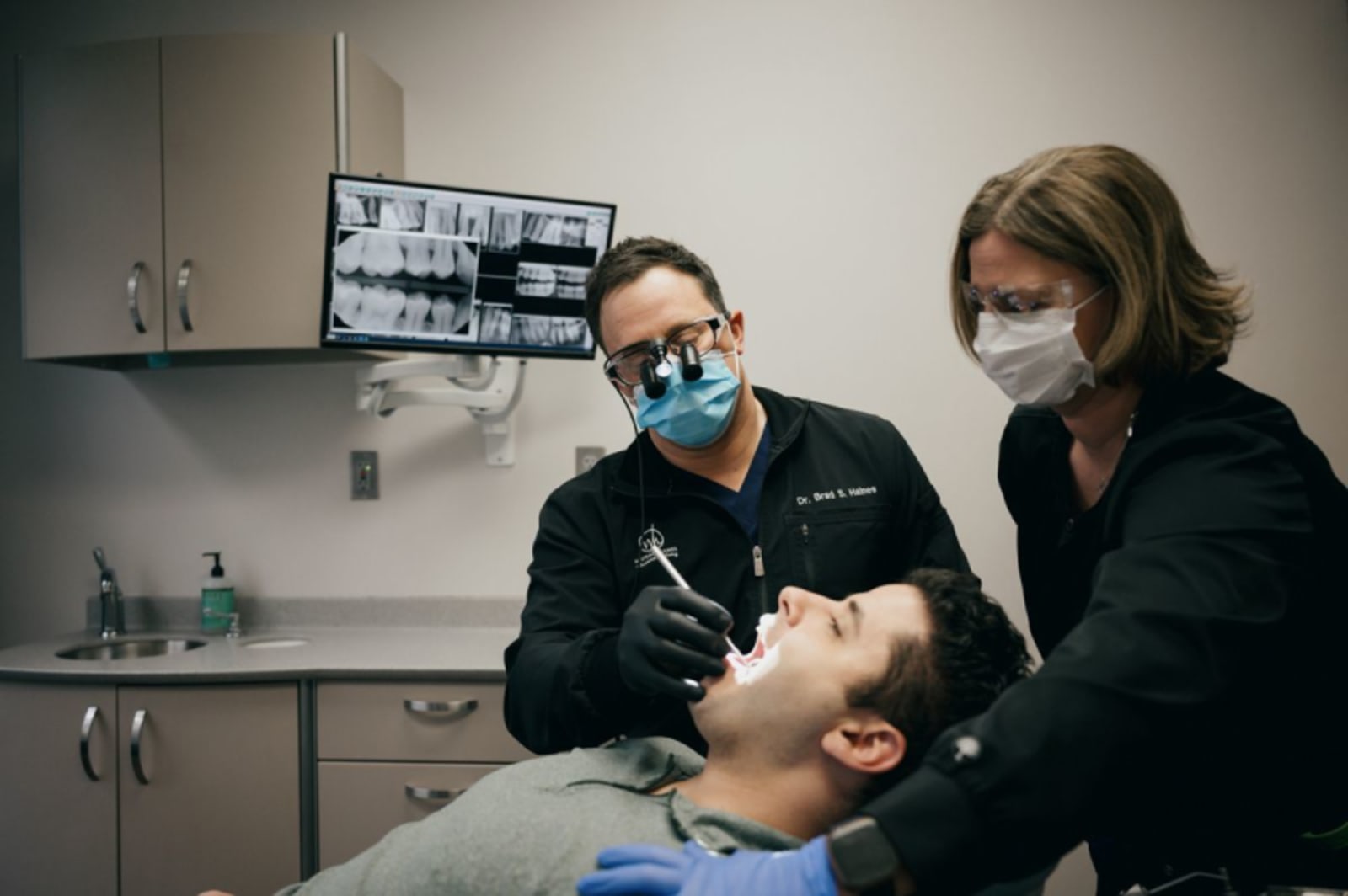
Knowing what will happen at the first appointment can make returning feel more manageable. The exact process varies based on the practice and your individual needs, but a comprehensive first visit generally begins with gathering information about your current health.
At White and Haines Advanced Dentistry, we may review:
- Your updated health history: Medications, medical conditions, and other changes since your last dental visit can be relevant to your oral care.
- Diagnostic X-rays: Imaging can help us evaluate areas that cannot be fully assessed during a visual examination.
- Your teeth and gums: We examine the teeth, gums, and surrounding tissues for signs of decay, inflammation, gum disease, damage, or other concerns.
- Your concerns and goals: We want to understand what brought you in and whether there are specific issues you would like us to address.
The purpose of this appointment is to establish a current baseline. Once we understand what is happening, we can explain what we found and discuss what, if anything, needs attention.
What If the Dentist Finds Several Problems?
This is one of the biggest concerns people have when returning after a long absence. You may be imagining a long list of problems and wondering whether everything will need to be treated immediately.
The reality is that dental needs vary considerably from person to person. Some people may have relatively minor concerns despite a long gap, while others may have several areas that need attention. If treatment is recommended, that does not necessarily mean everything has to happen at once.
We can discuss which concerns are most important, what can reasonably wait, and what treatment options are available. Depending on your situation, care may be organized into stages rather than approached as one large appointment or treatment plan.
The important first step is knowing what is actually happening. Without an examination, it is difficult to distinguish between a problem that needs prompt attention and something that can be monitored.
Will the Dentist Judge You for Waiting?
If this is the question that has been keeping you from making the appointment, it is worth addressing directly. A dental examination should give you an honest picture of your oral health without turning that information into criticism. You may hear that a tooth has decay, that your gums are inflamed, or that there has been bone loss. Those findings are important because they help determine what care may be appropriate.
The conversation should stay focused on the clinical situation and your options rather than on what you should have done differently.
At White and Haines Advanced Dentistry, we want people to feel comfortable asking questions and talking openly about their concerns. The fact that you have been away does not change the importance of the care you need today.
What Can Happen to Your Oral Health During a Long Gap?
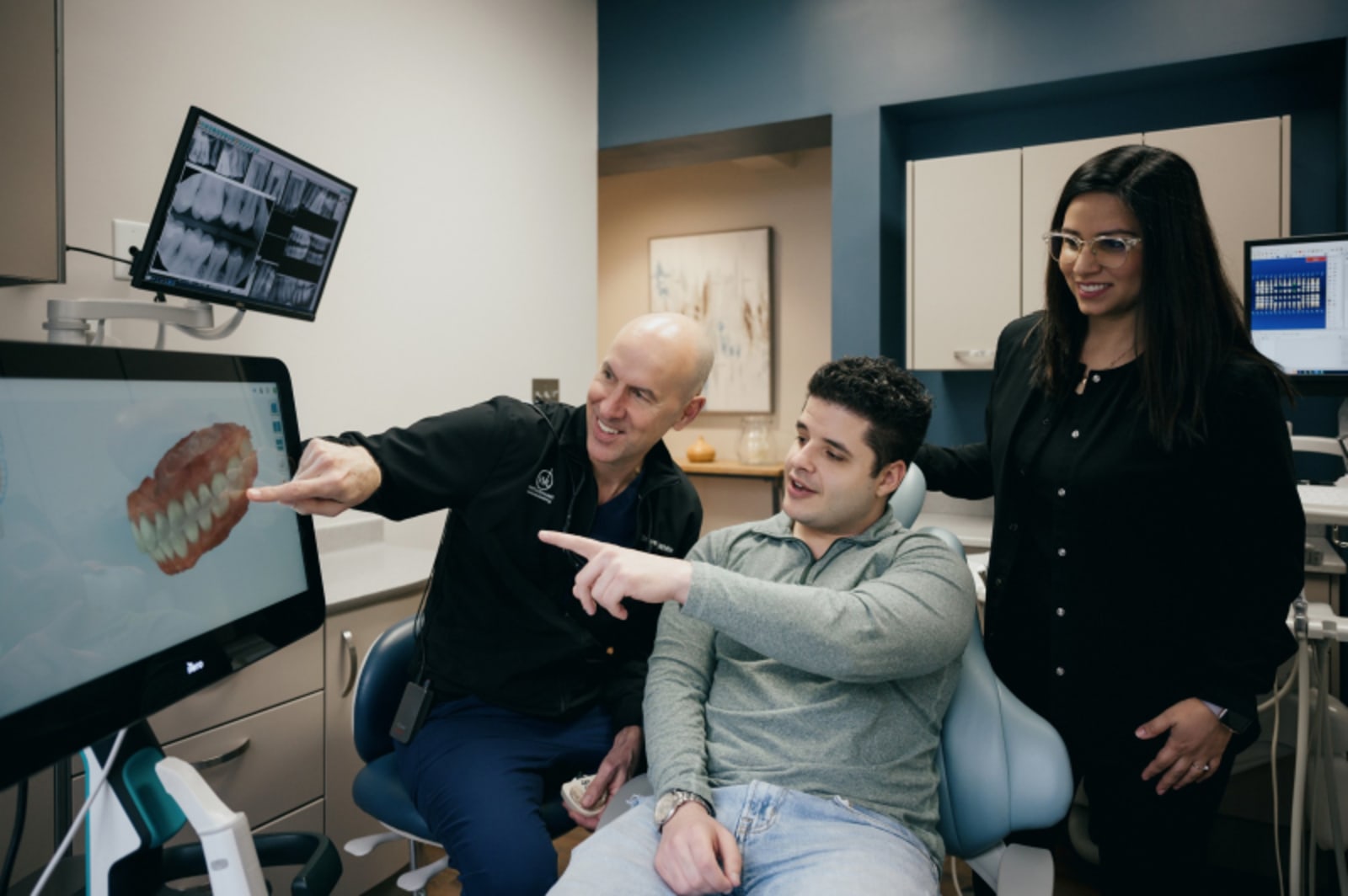
There is no single outcome that applies to everyone who has gone several years without a dental visit. Some dental problems can progress without causing obvious symptoms. A small cavity may become larger, while gum disease can affect the tissues and bone supporting the teeth. Existing dental work can also wear or develop problems over time.
Other people may return after several years and have fewer concerns than they expected. That uncertainty is one reason an examination is useful. Rather than assuming that something is seriously wrong or assuming everything is fine because nothing hurts, an evaluation gives you actual information.
Tooth Decay
Early tooth decay does not always cause noticeable symptoms. As decay progresses, it can eventually lead to sensitivity, pain, or damage that requires more involved treatment. Finding decay earlier can give you more opportunities to address it before it becomes more extensive.
Gum Disease
Gum disease can also develop gradually. Early inflammation may cause symptoms such as bleeding during brushing or flossing, while more advanced periodontal disease can affect the bone supporting the teeth. Regular dental examinations help us evaluate gum health and identify changes that may need attention.
Existing Dental Work
Fillings, crowns, bridges, and other restorations are not permanent simply because they are already in place. They can experience normal wear, and the teeth underneath or around them can still develop problems. If you have had dental work in the past, we can evaluate its current condition as part of your examination.
Changes in Your Bite or Teeth
Teeth can shift over time, particularly when there are missing teeth or changes in the supporting structures. Your bite can also change as dental conditions develop. These changes may or may not require treatment, but they are worth evaluating if you have noticed something feels different.
What Should You Do Before Your Appointment?
You do not need to make major changes before returning to the dentist. However, taking care of your teeth consistently while you are waiting for your appointment is worthwhile.
Brush Twice a Day
Brush for about two minutes twice a day using a soft-bristled toothbrush and fluoride toothpaste unless your dental professional has recommended something different. Pay particular attention to the gumline, where plaque can accumulate.
Clean Between Your Teeth
Brushing cannot effectively clean every surface between your teeth. Floss or use another interdental cleaning method once a day to remove plaque and food from those areas.
If your gums bleed when you begin flossing again, do not assume that means you should stop. Persistent bleeding should be discussed with your dental team.
Stay Hydrated
Water supports normal saliva production and can help rinse the mouth throughout the day. If you regularly consume sugary or acidic beverages, limiting prolonged sipping can also reduce the amount of time your teeth are exposed to those substances.
Avoid Using Your Teeth as Tools
Avoid chewing ice, opening packages with your teeth, or biting other hard objects. These habits can contribute to chipped or damaged teeth.
Do Not Wait for Pain
Pain is not the only reason to see a dentist. Some dental conditions can develop before they cause noticeable symptoms. If you have already decided that it is time to return, scheduling the evaluation is generally more useful than waiting for a problem to become uncomfortable.
How to Choose a Dentist After a Long Gap
If you have moved or have decided to find a new dentist after several years, the experience you have before and during your first appointment can tell you a lot about whether the practice is a good fit.
Reviews can be one source of information, but look beyond the star rating. Specific, consistent comments can tell you more about how a practice communicates, handles concerns, and explains treatment. You can also pay attention to how the office communicates before your first visit.
Do they answer your questions clearly? Do you feel comfortable explaining that you have been away from dental care? Are they willing to explain what the first appointment involves?
Once you are in the office, consider whether:
- Findings are explained clearly: You should understand what the dental team is seeing and why it matters.
- Questions are welcomed: You should have an opportunity to ask about your concerns and treatment options.
- Options are explained: When multiple approaches are appropriate, you should understand the relevant differences.
- The pace feels manageable: You should have enough information to make decisions rather than feeling rushed into treatment.
You can read more about the experience at White and Haines on our 5-star experience page and patient reviews page.
What If You Are Nervous About Your First Visit?
You do not have to wait until you feel completely comfortable to make an appointment. If you are anxious, tell the team when you schedule. It can also help to write down your questions or concerns beforehand so you do not have to remember everything once you arrive.
You may want to ask:
- What will happen during my first appointment?
- Will I need X-rays?
- Can we discuss treatment priorities before scheduling anything?
- What should I expect in terms of cost?
- What options are available if I need treatment?
- How can the team help if I am nervous during dental care?
Having those questions answered in advance can make the appointment feel more predictable.
How White and Haines Approaches Care After a Long Gap

At White and Haines Advanced Dentistry, our goal is to meet you where you are and help you understand your current oral health.
A first visit can include an updated health history, diagnostic imaging, a clinical examination, and a conversation about what we find. If treatment is recommended, we can explain the reasons for it, discuss available options, and help you understand what may need to happen first.
You do not need to arrive with a treatment plan already in mind. You also do not need to decide on every aspect of your care during your first visit.
Our role is to provide the information and clinical guidance you need to make decisions about your dental care.
Frequently Asked Questions
Is it too late to go back to the dentist after several years?
No. The length of time since your last visit does not determine whether you can return to dental care. An examination can help identify your current needs and determine what should be addressed.
What if I have not been to the dentist in 10 years?
You can still schedule an appointment. After a long gap, we may recommend a comprehensive examination and diagnostic imaging to establish a clear picture of your current oral health.
Will I be judged for not going to the dentist?
A dental visit should focus on your current oral health rather than criticizing you for the time that has passed. If judgment has been one of your concerns, you can mention it when scheduling so the team understands what you are worried about.
What if I know I have cavities but have been avoiding the dentist?
You do not need to wait until you are ready to address everything. Start with an examination so you can understand the extent of the problem and discuss your options. Some dental problems can progress without causing symptoms, so delaying further may make treatment more involved.
Do I need to get all my dental work done at once?
Not necessarily. The appropriate sequence depends on what is found. Some treatment may be more time-sensitive than other care, and your dental team can help you prioritize based on your clinical needs.
What if I am afraid of dental treatment?
Tell the dental team about your concerns before and during your appointment. Knowing that you are anxious allows the practice to discuss ways to make the experience more manageable and explain what will happen before treatment begins.
How often should I see the dentist once I return?
The appropriate frequency depends on your oral health, risk factors, and treatment needs. After evaluating you, we can recommend an ongoing schedule based on your individual situation.
Ready to Come Back to the Dentist?
If it has been years since your last dental visit, you do not need to know exactly what you need before you call. The first step is simply finding out where your oral health stands today.
At White and Haines Advanced Dentistry, we can evaluate your teeth and gums, answer your questions, explain what we find, and discuss the options available to you. From there, you can decide how you would like to move forward.
If you are in Cornelius, Huntersville, Mooresville, Davidson, or the surrounding Lake Norman area, request an appointment or call us at (704) 896-9535.
Connect With Us!
We look forward to meeting you.
Call 704-896-9535 or request an appointment online to set up your first visit. We’ll be in touch soon.
