Composite Bonding in Cornelius, NC | Drs. White & Haines

Composite Bonding in Cornelius, NC
A small chip, uneven edge, minor gap, or discoloration can be enough to make someone notice their smile more than they would like. Composite bonding offers a conservative way to address these concerns without the more extensive preparation involved with some other cosmetic treatments.
Composite bonding uses a tooth-colored resin that we carefully apply, shape, and polish to improve the appearance of a tooth. Because the procedure generally requires little to no removal of healthy tooth structure, it can be a practical option for people looking to make a focused cosmetic change. Many bonding treatments can also be completed in a single visit.
At White and Haines Advanced Dentistry, Dr. White, Dr. Haines and Dr. Rodrigues consider composite bonding alongside other cosmetic and restorative options based on the condition of your teeth, your bite, and what you would like to change. Whether you are interested in addressing one small concern or exploring a broader smile plan, we can help you understand which options may be appropriate.
If you are considering composite bonding in Cornelius, request a consultation or call us at (704) 896-9535.
Quick Takeaways
- Composite bonding can address minor cosmetic concerns: It may be used for small chips, gaps, shape irregularities, and certain types of discoloration.
- It is a conservative treatment: Bonding generally requires little to no removal of healthy tooth structure.
- Treatment is often completed in one visit: Many straightforward cases do not require laboratory fabrication or multiple appointments.
- The resin is color-matched: We select a shade that blends with the surrounding teeth for a natural appearance.
- Bonding can be repaired: If the resin chips or becomes damaged, it can often be repaired or replaced without treating the entire tooth.
- It is different from porcelain veneers: Veneers generally require more tooth preparation and are designed for different types of cosmetic concerns.
- Your bite matters: Habits such as grinding or heavy biting forces can increase the risk of damage to composite bonding.
Is Composite Bonding Right for You?
Composite bonding can be a good fit for people who want to make a relatively small change to the appearance of one or several teeth. It is commonly used when the underlying teeth are healthy and the cosmetic concern is limited enough to be addressed with resin.
Bonding may be considered for:
- Chipped or worn edges
- Small gaps between teeth
- Minor shape or proportion concerns
- Certain areas of discoloration
- Small imperfections in the surface or contour of a tooth
- Exposed root surfaces where bonding may improve appearance or protect the area
Before recommending bonding, we also look at the health of your teeth and gums and how your teeth come together when you bite. Active decay or gum disease should generally be addressed before cosmetic bonding. Significant bite problems, extensive damage, or strong grinding forces may also make another treatment more appropriate.
Bonding can be particularly useful when the goal is a focused cosmetic improvement rather than a larger change to the smile. A consultation allows us to determine whether the material can provide the result you are looking for and whether another option would be more predictable.
Composite Bonding vs. Porcelain Veneers
Composite bonding and porcelain veneers can both improve the appearance of teeth, but they involve different materials, procedures, and levels of treatment.
- Tooth preparation: Bonding generally requires little to no removal of healthy tooth structure. Porcelain veneers typically require some preparation of the enamel so the veneer can be properly placed.
- Treatment timeline: Many bonding cases can be completed during a single appointment. Veneers are custom-made and generally require multiple visits.
- Durability: Porcelain is generally more resistant to staining and wear than composite resin. Bonding can be durable, but it may be more susceptible to chipping or discoloration over time.
- Scope of treatment: Bonding can work particularly well for smaller corrections. Veneers may be considered when someone wants to make more extensive changes to the shape, color, or appearance of several teeth.
- Maintenance and repair: Composite bonding can often be repaired directly if a small portion becomes damaged. Veneers are a different type of restoration and may require replacement if they are significantly damaged.
There is no single cosmetic treatment that is right for everyone. We can evaluate your teeth and discuss the expected benefits and limitations of each option before you decide how you would like to proceed.
What to Expect During Composite Bonding
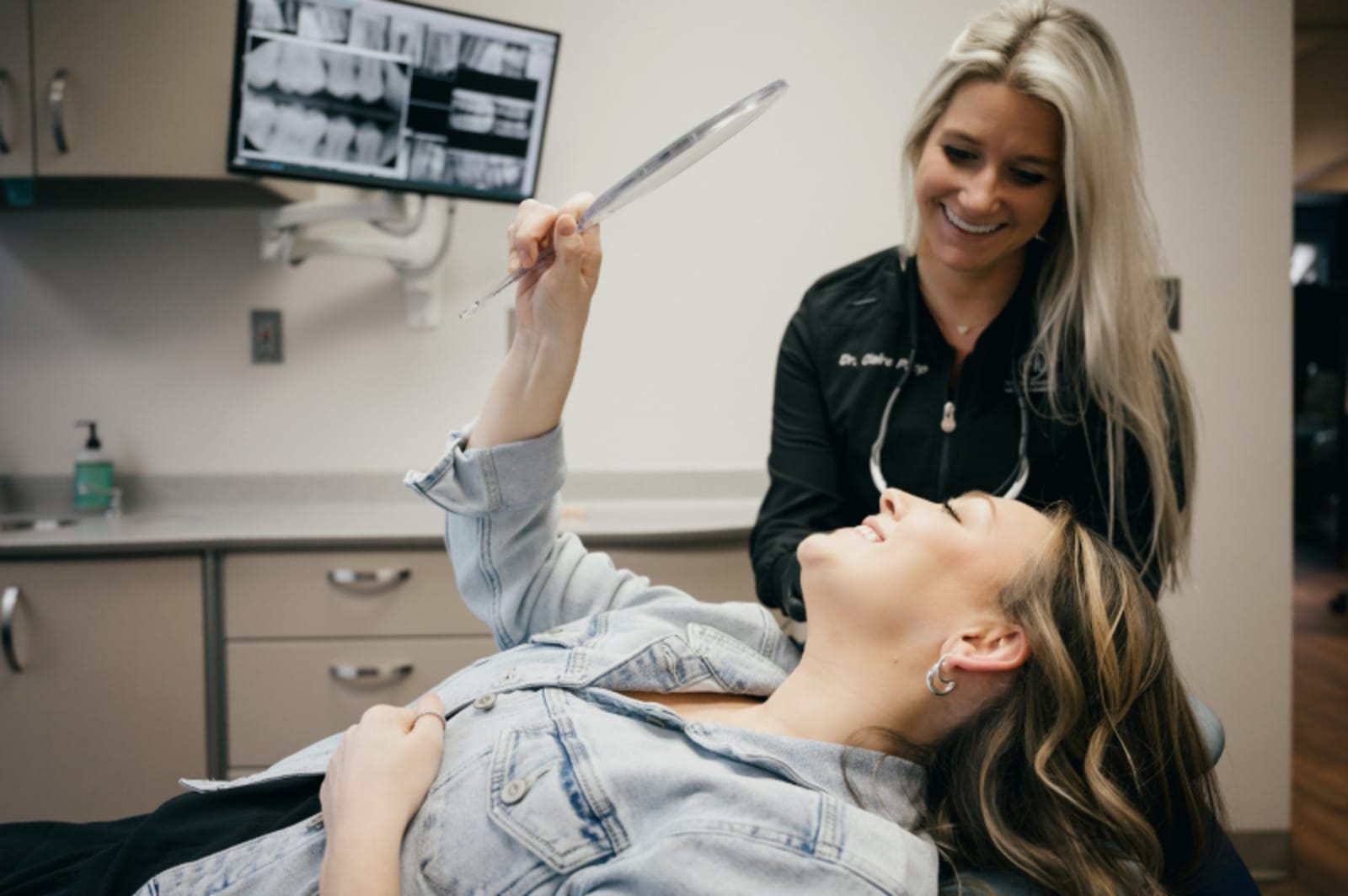
For many people, composite bonding is a straightforward and comfortable procedure. Local anesthesia is often unnecessary unless we are treating an area that requires it or another dental concern is being addressed at the same time.
Shade Matching
We select a composite resin shade that complements your surrounding teeth. Color and translucency both matter when creating a natural-looking result, particularly when bonding is being placed on a visible front tooth.
Preparing the Tooth
We prepare the tooth so the composite can adhere properly. This generally involves lightly conditioning the surface rather than significantly altering the tooth.
Applying and Shaping the Composite
The resin is applied directly to the tooth and shaped to follow its natural contours. We consider the tooth's proportions, neighboring teeth, and your bite as we refine the shape.
Curing the Material
A specialized curing light hardens the composite so it becomes firmly bonded to the tooth.
Finishing and Polishing
We refine the surface and polish the composite so it has a smooth finish and blends naturally with the surrounding tooth structure.
Many single-tooth bonding procedures can be completed in roughly 30 to 60 minutes, although the actual appointment length depends on what is being treated. Multiple teeth or more involved cases may take longer.
How Long Does Composite Bonding Last?
Composite bonding can last for several years, but there is no guaranteed lifespan. How long it remains in good condition depends on factors such as the location of the bonding, your bite, oral hygiene, diet, and habits.
Bonding on the front teeth can be particularly susceptible to chipping if someone regularly bites hard objects, uses their teeth as tools, or has significant grinding or clenching forces.
Regular dental visits allow us to monitor the condition of the bonding and the tooth underneath it. If the material becomes worn, stained, or chipped, we can determine whether it can be polished or repaired or whether replacement would be more appropriate.
Can Composite Bonding Stain?
Composite resin can become discolored over time. Coffee, tea, red wine, tobacco, and other staining substances can affect the appearance of the material, particularly as it ages.
Good oral hygiene and regular professional cleanings can help maintain the appearance of your smile. Polishing may also improve the appearance of some surface staining.
It is important to keep in mind that composite bonding does not respond to whitening treatments in the same way natural tooth enamel does. If you are considering both whitening and bonding, we generally recommend discussing the order of treatment with us first so the shade of the composite can be selected appropriately.
What If My Bonding Chips?
One of the practical benefits of composite bonding is that small areas of damage can often be repaired without replacing the entire restoration.
If bonding chips, we will evaluate what caused the damage and check the underlying tooth. A minor repair may be all that is needed. If the tooth has sustained more significant damage or the bonding has repeatedly failed because of bite forces, we may recommend a different approach.
This is also why your bite and habits are important parts of treatment planning. Addressing the reason bonding is failing can be just as important as repairing the material itself.
Caring for Composite Bonding
Once your bonding is placed, you can generally care for it much like your natural teeth.
- Brush and floss regularly: Good oral hygiene helps protect both the bonded tooth and the surrounding teeth and gums.
- Avoid using your teeth as tools: Biting fingernails, opening packaging, or chewing hard objects can damage composite.
- Be mindful of hard foods: Particularly hard foods can increase the risk of chipping depending on where the bonding is located.
- Maintain regular dental visits: We can monitor the bonding and polish or repair it when appropriate.
- Address grinding or clenching: If you regularly grind or clench your teeth, we can discuss ways to reduce the risk of damage.
Composite Bonding and Teeth Whitening
If you are interested in both bonding and whitening, treatment sequencing is worth discussing before either procedure is completed.
Whitening changes the color of natural teeth, but it does not lighten existing composite resin. If bonding is placed first and you later whiten your natural teeth, the bonded areas may no longer match.
When whitening is part of your smile goals, we can help determine an appropriate sequence so the shade of any new bonding is selected with your desired tooth color in mind.
Cost, Insurance, and Financing
The cost of composite bonding depends on factors such as the number of teeth being treated, the amount of composite needed, and the complexity of the correction.
Because bonding is generally considered a cosmetic procedure, dental insurance may not cover it. Coverage can vary, however, depending on the reason for treatment and the terms of your individual plan.
We can explain the expected cost of your recommended treatment before you decide whether to proceed. If you are interested in financing, options may also be available depending on your treatment and eligibility. For questions about payment options, call us at (704) 896-9535.
Why Choose White and Haines for Composite Bonding?

Composite bonding may involve a relatively small amount of treatment, but achieving a natural result requires attention to details such as color, proportion, tooth shape, and bite.
At White and Haines Advanced Dentistry, we look at those factors when planning cosmetic treatment rather than treating the visible concern in isolation. We can also discuss other options, including veneers, whitening, Invisalign, or restorative treatment, when they may better address your goals.
Our approach is centered on giving you enough information to understand your options and make a decision that fits your needs.
People throughout Cornelius and the surrounding Lake Norman area can turn to our practice for:
- Individualized treatment planning: We consider your teeth, bite, oral health, and cosmetic goals when recommending treatment.
- Conservative options: When appropriate, we look for ways to improve the appearance of your smile while preserving healthy tooth structure.
- Comprehensive cosmetic care: Bonding can be considered alongside other cosmetic and restorative services available through our practice.
- A comfortable experience: Our 5-star experience is designed to make dental visits feel comfortable and unhurried.
- Clear communication: We explain what treatment involves, what to expect afterward, and what alternatives may be available.
You can also learn more about other people's experiences at White and Haines on our patient testimonials page.
Frequently Asked Questions
Does composite bonding hurt?
Most people find composite bonding comfortable, and local anesthesia is often not necessary. If the tooth requires additional treatment or you are particularly sensitive, we can discuss ways to keep you comfortable.
Is composite bonding reversible?
Because bonding generally requires little to no removal of healthy tooth structure, it is more conservative than treatments that require significant enamel preparation. However, the tooth may still be altered slightly during preparation, so we prefer to describe bonding as a conservative treatment rather than assume it is completely reversible in every case.
Can bonding fix a gap between my teeth?
Bonding can sometimes close a small gap by adding composite to the sides of the teeth. Whether this is appropriate depends on the size and location of the space, your bite, and the reason the gap is present.
Can composite bonding fix crooked teeth?
Bonding can sometimes change the apparent shape of a slightly uneven tooth, but it does not move teeth into a new position. If significant alignment is involved, orthodontic treatment such as Invisalign may be more appropriate.
Can I whiten my teeth after getting bonding?
Whitening does not lighten existing composite resin. If you want both whitening and bonding, talk with us about treatment sequencing before the bonding is placed.
What happens if my composite bonding breaks?
Small areas of damage can often be repaired. We will evaluate the bonding and the underlying tooth to determine whether a repair is appropriate or whether another treatment would provide a more predictable result.
Explore Composite Bonding in Cornelius, NC
If you have a small cosmetic concern you would like to address, composite bonding may be worth discussing. An evaluation allows us to look at the tooth, your bite, and your overall smile before recommending a treatment.
At White and Haines Advanced Dentistry, we can explain whether bonding is appropriate for your situation and how it compares with other options. You can then decide how you would like to move forward.
If you are in Cornelius, Huntersville, Mooresville, Davidson, or the surrounding Lake Norman area, request a consultation or call us at (704) 896-9535.
Connect With Us!
We look forward to meeting you.
Call 704-896-9535 or request an appointment online to set up your first visit. We’ll be in touch soon.
