Dental Bridge in Cornelius, NC | White & Haines

Dental Bridges in Cornelius, NC
A missing tooth can leave more than a visible gap. Over time, neighboring teeth may shift, your bite can change, and eating may become less comfortable. If you are considering how to replace a missing tooth, a dental bridge is one option we can evaluate based on your oral health, the condition of the surrounding teeth, and your goals.
A dental bridge is a fixed restoration that replaces a missing tooth by connecting an artificial tooth to crowns placed on the teeth next to the gap. Unlike a removable partial denture, a traditional bridge stays in place once it is cemented.
At White and Haines Advanced Dentistry, we consider bridges alongside other tooth-replacement options, including dental implants. Because the right choice depends on your individual circumstances, we look at the health of the surrounding teeth, the condition of the bone, your timeline, and your preferences before recommending an approach.
If you have a missing tooth and are unsure which option makes sense, request a consultation or call us at (704) 896-9535.
Quick Takeaways
- A dental bridge replaces a missing tooth: A traditional bridge uses an artificial tooth supported by crowns on the teeth adjacent to the gap.
- Bridges are fixed restorations: Once placed, a traditional bridge stays in place rather than being removed like a partial denture.
- The surrounding teeth need to be healthy enough to provide support: We evaluate those teeth carefully before recommending a bridge.
- Treatment can often be completed in fewer visits than an implant: The exact timeline depends on your restoration and individual treatment needs.
- Bridges can be a long-term tooth-replacement option: Proper care and regular dental visits can help protect the restoration and supporting teeth.
- Bridges and implants have different advantages and considerations: We can explain both options so you understand how they apply to your situation.
- Insurance and financing options may be available: Coverage varies by plan, and we can discuss the financial side of treatment during your consultation.
Is a Dental Bridge Right for You?
A bridge can be a good option when the teeth surrounding a missing tooth are healthy and strong enough to support the restoration. During your evaluation, we look at those teeth as well as your bite, gums, and the area where the tooth is missing.
A bridge may be worth considering if:
- The teeth next to the gap are strong enough to serve as anchors
- You would prefer a fixed restoration rather than a removable appliance
- You want to replace the missing tooth without undergoing implant surgery
- You are looking for a treatment that can generally be completed on a shorter timeline than an implant
- An implant would require additional procedures, such as bone grafting, that you would prefer to avoid
A bridge may be less appropriate when the neighboring teeth have significant decay, extensive damage, inadequate structure, or other concerns that could affect their ability to support the restoration. Multiple adjacent missing teeth can also require a different type of treatment plan.
The only way to determine whether a bridge is appropriate is through an evaluation. We can assess the area and explain which options are realistic based on what we find.
Dental Bridge vs. Dental Implant
A bridge and a dental implant can both replace a missing tooth, but they approach tooth replacement differently.
A traditional bridge uses the teeth on either side of the gap for support. The neighboring teeth are prepared so crowns can be placed over them, with the artificial tooth positioned between them. The result is a fixed restoration that fills the space without placing an implant into the jawbone.
A dental implant is designed to replace the missing tooth root as well as the visible tooth. An implant is surgically placed into the jawbone and, after healing, supports a crown. Because the implant is supported independently, the neighboring teeth do not need to be prepared as bridge anchors.
There are also differences in treatment time and the way each option interacts with the jawbone. A bridge does not replace the missing tooth root, so the bone beneath the missing tooth can continue to change after tooth loss. An implant can provide stimulation to the surrounding bone where it is placed, which may help maintain bone in that area.
Neither option is automatically right for everyone. The condition of your surrounding teeth, available bone, overall oral health, timeline, and personal preferences all play a role.
What to Expect When Getting a Dental Bridge

The bridge process begins with an examination and treatment planning. We evaluate the missing tooth area, the neighboring teeth, your gums, and your bite to determine whether a bridge is appropriate.
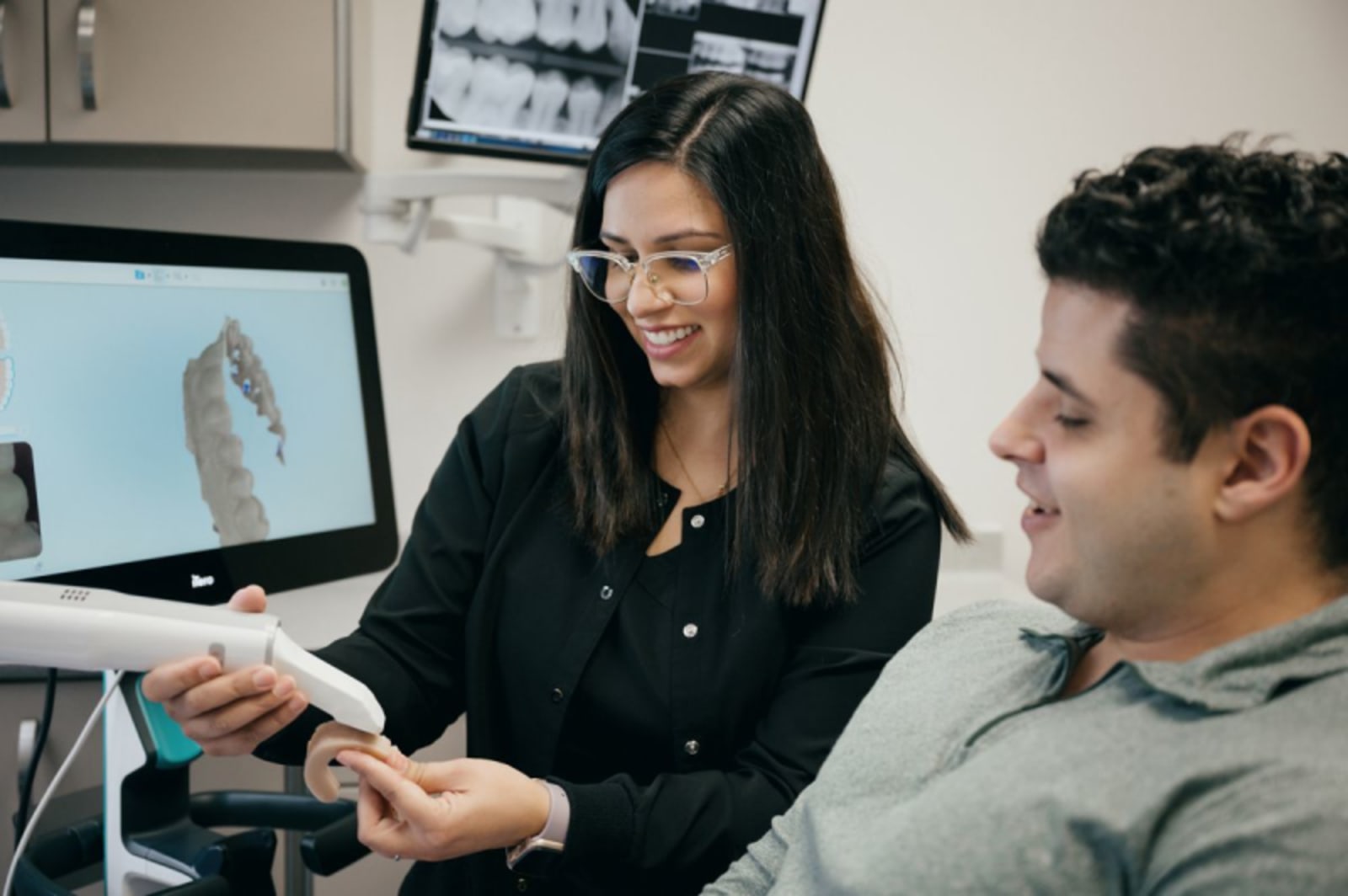
If we recommend a bridge, the supporting teeth are prepared to accommodate the crowns that will hold the restoration. We then take impressions or digital scans so the bridge can be designed to fit your mouth and work with your existing bite.
Depending on your specific treatment, a temporary restoration may be placed while the permanent bridge is being fabricated. At the follow-up appointment, we place the permanent bridge and carefully check its fit, appearance, and bite.
White and Haines also offers advanced restorative technology, including same-day crown technology for certain restorations. Whether that technology can be used as part of your bridge treatment depends on the specific restoration being planned.
We will explain your expected timeline before treatment begins so you know what each appointment will involve.
Caring for Your Dental Bridge
A bridge is designed to function like a replacement for the missing tooth, but it still requires regular care. The teeth supporting the bridge remain vulnerable to decay and gum disease, so maintaining the health of those teeth is particularly important.
Good bridge care generally includes:
- Brushing twice a day: Clean the bridge and surrounding teeth as you would your natural teeth.
- Cleaning underneath the bridge: Food and plaque can collect around and underneath the artificial tooth, so we will show you how to clean those areas effectively.
- Flossing regularly: Specialized flossing tools or other aids may make it easier to clean beneath the bridge.
- Keeping up with dental visits: Regular examinations and cleanings allow us to monitor the bridge and the teeth supporting it.
- Paying attention to changes: Persistent sensitivity, pain, looseness, or changes in the way your bridge fits should be evaluated.
With appropriate care, a dental bridge can last for many years. Longevity varies based on factors such as oral hygiene, bite forces, the health of the supporting teeth, and the type of restoration.
What Happens If You Leave a Missing Tooth Unreplaced?
After a tooth is lost, the surrounding structures can gradually change. The bone that previously supported the tooth root may shrink over time, while neighboring teeth can shift or tilt into the open space.
These changes do not happen at the same rate for everyone, and leaving a tooth unreplaced does not automatically mean that future treatment will be impossible. However, changes in the bone, surrounding teeth, and bite can affect your options later.
If you have had a missing tooth for some time, we can evaluate the area as it is now and explain what treatment options remain available. The goal is to make a decision based on your current oral health rather than assuming you need to replace the tooth in a particular way.
Cost, Insurance, and Financing for a Dental Bridge
The cost of a dental bridge depends on factors such as the number of teeth being replaced, the type of restoration, the materials used, and the condition of the supporting teeth.
A traditional bridge generally has a lower initial cost than a dental implant, although the two treatments involve different procedures and components. Looking only at the upfront cost does not provide the full picture, so we can explain the expected treatment and associated costs for your specific situation.
Dental insurance may provide benefits toward a bridge because it is generally considered a restorative treatment. Coverage varies by plan, including the percentage covered, deductibles, annual maximums, and other limitations.
If you have questions about your expected out-of-pocket cost, we can review the treatment plan with you and explain the payment and financing options currently available.
Call us at (704) 896-9535 if you would like to discuss your options.
Why Choose White and Haines for a Dental Bridge?

Replacing a missing tooth involves more than filling the visible space. The health of the surrounding teeth, your bite, the condition of the gums, and the way the restoration fits into your overall smile all need to be considered.
At White and Haines Advanced Dentistry, we take a comprehensive approach to restorative treatment. We evaluate the full picture before recommending a bridge and can also discuss other tooth-replacement options when appropriate.
Because we provide both bridges and dental implants, our goal is to help you understand the differences between the available approaches and determine which one fits your individual situation.
People throughout Cornelius and the surrounding Lake Norman communities choose our practice for:
- Comprehensive treatment planning: We consider the surrounding teeth, gums, bite, and missing tooth area when developing your treatment plan.
- Individualized recommendations: Your treatment is based on your oral health, goals, and circumstances.
- Advanced technology: Our practice uses modern technology to support certain restorative procedures and treatment planning.
- A comfortable environment: Our 5-star experience is designed to make dental care feel calm and comfortable.
- Clear communication: We explain your treatment options and expected process before you move forward.
You can also read what people have shared about their experiences at White and Haines on our patient testimonials page.
Frequently Asked Questions
How long does a dental bridge last?
A dental bridge can last for many years with appropriate care, although there is no guaranteed lifespan. Oral hygiene, the health of the supporting teeth, your bite, and normal wear can all affect longevity.
Will getting a bridge affect the teeth next to the gap?
Yes. With a traditional bridge, the neighboring teeth are prepared to support crowns that hold the artificial tooth in place. Those teeth need to be evaluated carefully to make sure they are healthy and structurally suitable for this role.
Is a dental bridge better than an implant?
A bridge and an implant have different advantages and considerations. A bridge generally involves the neighboring teeth and can often be completed on a shorter timeline, while an implant is independently supported and involves surgical placement and a healing period. We can discuss which options are appropriate for your situation.
Is a bridge less expensive than a dental implant?
A bridge generally has a lower upfront cost than an implant, although the total cost depends on the specific treatment involved. Insurance benefits and financing options can also affect your out-of-pocket expenses.
Can I get a bridge if I have bone loss?
Possibly. A traditional bridge does not require the same amount of bone support as an implant, so bone loss at the missing tooth site may not prevent you from receiving a bridge. However, the health and strength of the supporting teeth still need to be evaluated.
Does dental insurance cover bridges?
Many dental insurance plans provide some coverage for bridges, but the amount varies by plan. We recommend confirming your specific benefits with your insurance carrier, and our team can help you understand the financial information available once your treatment plan is established.
How do I clean underneath a dental bridge?
Food and plaque can collect beneath the artificial tooth, so cleaning underneath the bridge is an important part of maintaining your oral health. We can show you how to use floss, floss threaders, or other cleaning tools to reach these areas effectively.
Ready to Replace a Missing Tooth?
If you have been living with a missing tooth and are unsure whether a bridge, implant, or another option makes sense, an evaluation can give you a clearer picture.
At White and Haines Advanced Dentistry, we can examine the area, assess the surrounding teeth and bone, and explain the available treatment options. You can then decide how you would like to move forward based on your oral health, goals, and priorities.
If you are in Cornelius, Huntersville, Mooresville, Davidson, or the surrounding Lake Norman area, request a consultation to meet Dr. White, Dr. Rodrigues and Dr. Haines, or call us at (704) 896-9535.
Connect With Us!
We look forward to meeting you.
Call 704-896-9535 or request an appointment online to set up your first visit. We’ll be in touch soon.
