Implant-Supported Dentures in Cornelius, NC | White and Haines

Implant-Supported Dentures in Cornelius, NC
Implant-supported dentures can provide a more stable approach to replacing an entire arch of missing teeth. Instead of resting primarily on the gums like conventional dentures, an implant-supported denture is anchored to dental implants placed in the jaw. This can improve stability during everyday activities such as eating and speaking.
At White and Haines Advanced Dentistry, Dr. White, Dr. Haines and Dr. Rodrigues approach implant-supported dentures as a comprehensive treatment rather than simply placing implants and attaching a denture. We evaluate your oral health, bone structure, existing teeth, and overall goals before developing a treatment plan. We also explain the expected timeline, healing process, and available options so you can make an informed decision about your care.
For people throughout Cornelius and the surrounding Lake Norman area, the first step is simply an evaluation. We can determine whether implant-supported dentures are appropriate for you and explain what the process would look like based on your individual situation.
Contact our team by calling us at (704) 896-9535.
Quick Takeaways
- Implants provide additional support: Implant-supported dentures are anchored to dental implants rather than relying entirely on the gums for stability.
- They can improve denture stability: The implant connection can help reduce movement during activities such as eating and speaking.
- Bone volume matters: We evaluate the available jawbone before implant placement. Some people may need bone grafting if there is not enough bone to support an implant.
- Treatment takes time: Implant placement, healing, and final denture attachment generally take place over several months.
- The denture and implants are different components: The implants provide support, while the denture replaces the visible teeth and surrounding structures.
- This is a full-arch solution: Implant-supported dentures are designed to replace an entire arch of missing teeth rather than a single tooth.
Are You a Candidate for Implant-Supported Dentures?

Because implant-supported dentures involve surgery and several stages of treatment, we begin with a detailed evaluation before recommending them.
- Jawbone volume: Dental implants need sufficient bone to provide support. Tooth loss can lead to gradual changes in the jawbone, so we evaluate the amount and condition of the available bone before planning implant placement. If additional support is needed, bone grafting may be recommended to help create a suitable foundation.
- Overall health: Your general health, medications, and healing capacity can all be relevant when planning implant surgery. We review these factors as part of your evaluation and consider whether any concerns need to be addressed before treatment.
- Oral health: The condition of your gums, remaining teeth, and surrounding structures can influence the treatment plan. We look at the full picture rather than evaluating the implant site in isolation.
- Commitment to the treatment process: Implant-supported dentures are completed in stages, with a healing period between implant placement and the final restoration. Understanding the timeline and following your aftercare instructions are important parts of successful treatment.
Being without teeth for several years does not automatically mean you cannot receive implants. Bone loss and other changes can affect the treatment plan, but there may be ways to address those concerns. An examination and appropriate imaging give us the information we need to discuss what is realistic for you.
How the Implant-Supported Denture Process Works
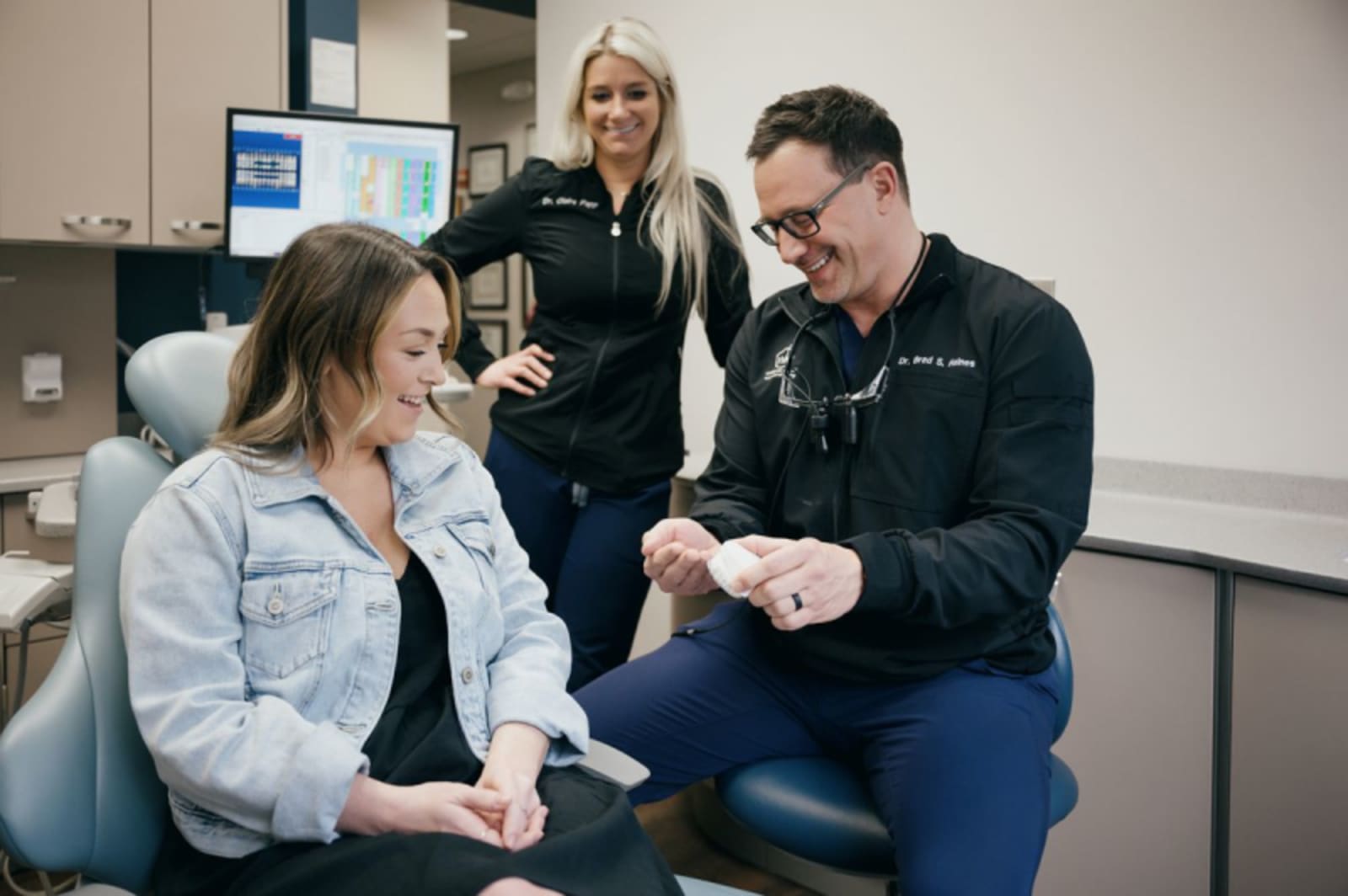
Every treatment plan is different, but implant-supported dentures generally involve several stages. At White and Haines Advanced Dentistry, we take the time to explain each stage before treatment begins so you know what to expect.
Consultation and Imaging
We begin by evaluating your oral health, gums, jawbone, and any remaining teeth. Imaging allows us to assess the available bone and determine how implants may be positioned.
This is also when we discuss your goals, treatment options, expected timeline, and any procedures that may need to happen before implant placement.
Implant Placement
Once your treatment plan is established, the dental implants are placed into the jawbone. The number and position of implants depend on your anatomy, the type of restoration being planned, and other individual factors.
Healing and Osseointegration
After implant placement, the implants need time to integrate with the surrounding bone. This biological process, known as osseointegration, provides the foundation for the denture attachment.
Healing takes time and varies from person to person. Depending on your treatment plan, this stage may take several months.
Final Denture Attachment
Once healing and implant integration have progressed appropriately, the final denture can be attached to the implants. We make sure the restoration fits properly and functions as intended before completing treatment.
Throughout the process, we want you to understand where you are in the treatment sequence and what comes next.
What to Expect During Recovery
Recovery after implant placement varies depending on the number of implants placed, whether additional procedures such as bone grafting are performed, and your individual healing response.
Some soreness, swelling, or tenderness can occur during the first few days. We will provide specific aftercare instructions based on your procedure, including guidance about eating, oral hygiene, medications, and activity.
A few general parts of recovery may include:
- Following your aftercare instructions: Take medications and follow other instructions exactly as directed by your care team.
- Choosing softer foods initially: A soft-food diet can help protect the surgical area while it begins to heal.
- Keeping your mouth clean: We will explain how to maintain oral hygiene without disrupting the healing sites.
- Avoiding smoking: Smoking can interfere with healing and may increase the risk of complications around dental implants.
- Attending follow-up appointments: Follow-up visits allow us to monitor healing and determine when you are ready for the next stage of treatment.
We provide detailed aftercare information so you have a clear reference at home rather than having to remember everything from your appointment.
If you experience significant or worsening pain, persistent swelling, bleeding that does not improve, or another unexpected concern during recovery, contact our office so we can determine whether you need to be evaluated.
Implant-Supported Dentures vs. Conventional Dentures
Both conventional and implant-supported dentures can be used to replace an entire arch of missing teeth, but they are supported differently.
Conventional dentures rest on the gums and rely on the shape of the mouth, denture fit, and in some cases adhesive to remain stable. Because the restoration is not anchored to implants, movement can occur during eating or speaking.
Implant-supported dentures are connected to dental implants that have been placed in the jaw. This provides a more secure foundation and can reduce unwanted movement.
There can also be differences in how the two approaches affect the jawbone over time. After tooth loss, the bone that previously supported the tooth roots naturally changes. Implants can provide stimulation to the surrounding bone where they are placed, which may help preserve bone in those areas. They do not prevent all changes to the jaw, however, and your individual anatomy continues to matter.
The appropriate option depends on your oral health, bone structure, goals, and the type of restoration being considered. We can explain the differences during your consultation rather than assuming one approach is right for everyone.
What Happens If You Have Already Lost Bone?
Bone loss is common after teeth have been missing for some time. As the jawbone no longer supports natural tooth roots, the bone can gradually shrink and change shape.
This does not necessarily prevent implant treatment, but it can affect how implants need to be placed. If there is not enough bone in the intended implant area, bone grafting may be recommended.
Bone grafting adds material to an area where additional bone volume is needed. Over time, your body can incorporate the graft material as the site heals, creating a more suitable foundation for implant placement when appropriate.
Whether grafting is necessary depends on your imaging and individual anatomy. We can explain what is involved and how it may affect your overall treatment timeline.
Cost, Financing, and Insurance for Implant-Supported Dentures
Implant-supported dentures generally involve a higher initial investment than conventional dentures because treatment includes surgical implant placement as well as the denture restoration.
Insurance coverage varies considerably. Some plans may provide benefits toward certain portions of treatment, while others offer limited or no coverage for implants. We can help you understand how your benefits apply, but coverage is ultimately determined by your individual insurance plan.
It is also worth considering that conventional dentures can involve ongoing expenses over time. Dentures may need adjustments, relines, or eventual replacement as the mouth naturally changes. Implant-supported restorations can also require maintenance and replacement of components over time, so there is no single long-term cost that applies to everyone.
Our team can provide an individualized treatment estimate and explain the financial side of your care before you decide how to proceed.
Financing options may also be available for eligible applicants. If you are interested in discussing financing, call us at (704) 896-9535, and we can explain the options currently available.
Why Choose White and Haines Advanced Dentistry?
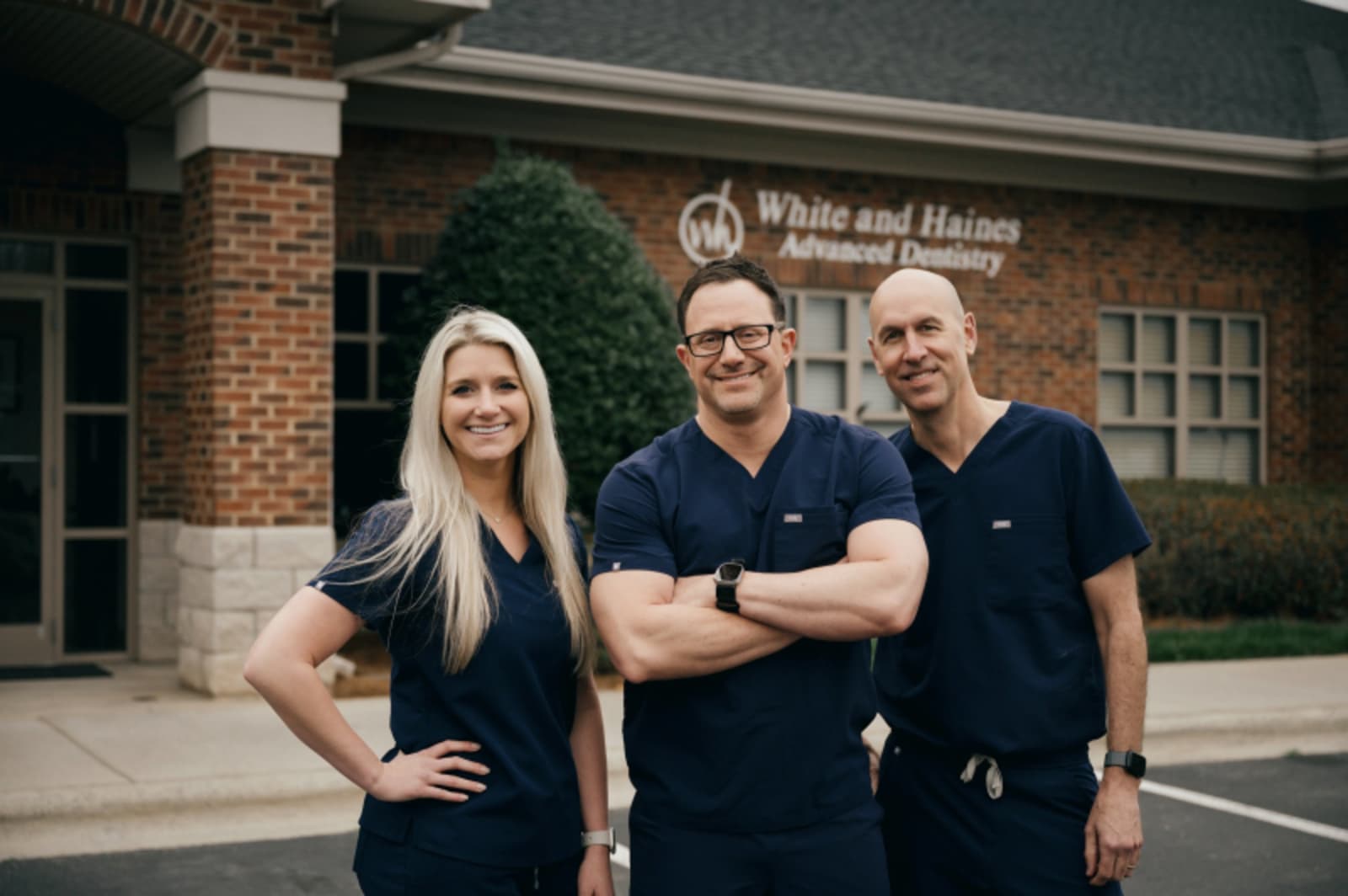
Implant-supported dentures involve more than the implant procedure itself. The health of your gums, the available bone, the design of the restoration, and the way everything works together all matter when developing a treatment plan.
At White and Haines Advanced Dentistry, we take a comprehensive approach to treatment planning. We want you to understand what we find, why we are recommending a particular approach, and what you can expect throughout the process.
Our focus also extends beyond the procedure itself. Educational resources, detailed aftercare guidance, and communication throughout treatment are part of helping you feel informed from your initial consultation through your follow-up care.
People throughout Cornelius, Huntersville, Mooresville, Davidson, and the surrounding Lake Norman area choose our practice for:
- Comprehensive treatment planning: We evaluate the broader picture of your oral health when planning implant treatment.
- Individualized care: Implant treatment is planned around your anatomy, health, and goals rather than following a single formula.
- Clear communication: We explain the treatment sequence, expected healing, and available options before moving forward.
- A comfortable environment: Our 5-star experience is designed to make dental care feel calm and unhurried.
- Continuity throughout treatment: We remain involved throughout the planning, treatment, and follow-up process.
You can also read more about the experience from people who have visited the practice on our patient testimonials page.
Frequently Asked Questions
Can I get implant-supported dentures if I have already lost bone?
Possibly. Bone loss is common after tooth loss, but it does not automatically rule out implant treatment. Depending on how much bone is available, bone grafting or another approach may be recommended before implants can be placed.
How are implant-supported dentures different from regular dentures?
Conventional dentures rest on the gums, while implant-supported dentures are connected to implants placed in the jawbone. The implant connection provides additional stability and can reduce movement during everyday activities.
What happens if I wait to replace my missing teeth?
The jawbone can gradually change after tooth loss, and neighboring teeth can shift into available spaces. These changes may affect your bite and can sometimes make future tooth replacement more involved. An evaluation can help you understand how your current situation may affect your options.
How many implants are needed for an implant-supported denture?
There is no single number that applies to everyone. The number and position of implants depend on your jawbone, anatomy, restoration design, and overall treatment plan.
Does insurance cover implant-supported dentures?
Coverage varies by insurance plan. Some plans may provide benefits toward certain parts of treatment, while others provide limited coverage. We can help you review the information available from your plan.
How long do implant-supported dentures last?
The implants themselves are intended to provide long-term support when they remain healthy and are properly maintained. The denture and other components can experience normal wear and may need adjustment, repair, or replacement over time.
Can I eat normally with implant-supported dentures?
Implant-supported dentures provide more stability than conventional dentures, which can make eating more comfortable for many people. However, your ability to eat different foods depends on the specific restoration, healing, fit, and individual circumstances. We can discuss what to expect with your particular treatment plan.
Ready to Explore Implant-Supported Dentures in Cornelius?
If you are considering implant-supported dentures, the first step is an evaluation. We can assess your oral health and bone structure, discuss your goals, and explain which treatment options may be appropriate for you.
You do not have to have every decision made before your consultation. Our role is to give you a clear understanding of the process, timeline, and options so you can decide how you would like to move forward.
If you are in Cornelius, Huntersville, Mooresville, Davidson, or the surrounding Lake Norman area, request a consultation or call White and Haines Advanced Dentistry at (704) 896-9535.
Connect With Us!
We look forward to meeting you.
Call 704-896-9535 or request an appointment online to set up your first visit. We’ll be in touch soon.
